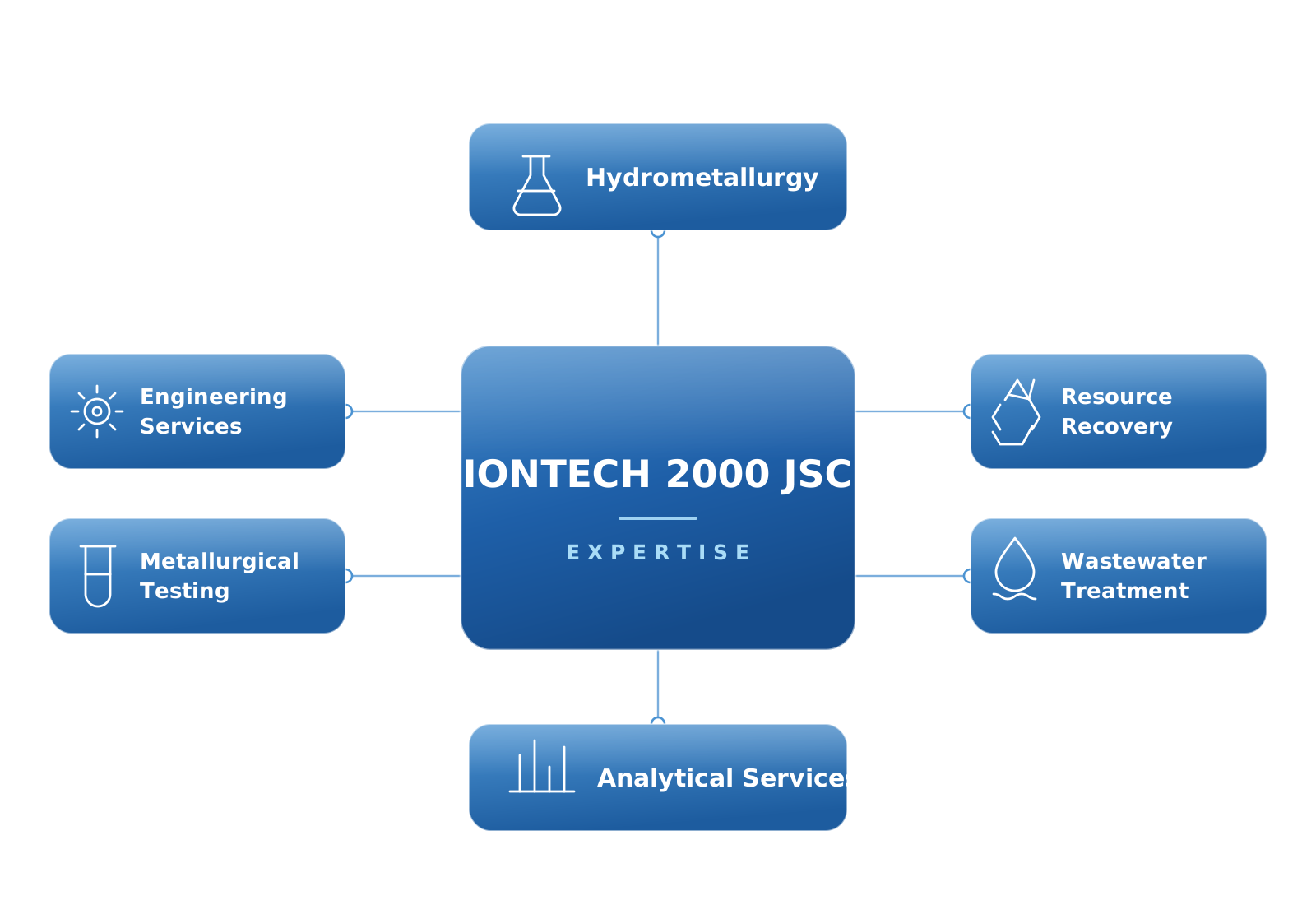
IONTECH 2000 develops and implements hydrometallurgical solutions for the recovery of a broad range of base, critical and precious metals from primary and secondary feedstocks — from mineral resources to the residues and waste streams generated throughout mining, mineral processing, metallurgy and industry.
We evaluate each feedstock according to its chemical composition, mineralogy, physical characteristics and process history to identify the most appropriate recovery route — combining leaching, ion exchange, solvent extraction, precipitation and electrowinning to selectively recover and purify valuable components.
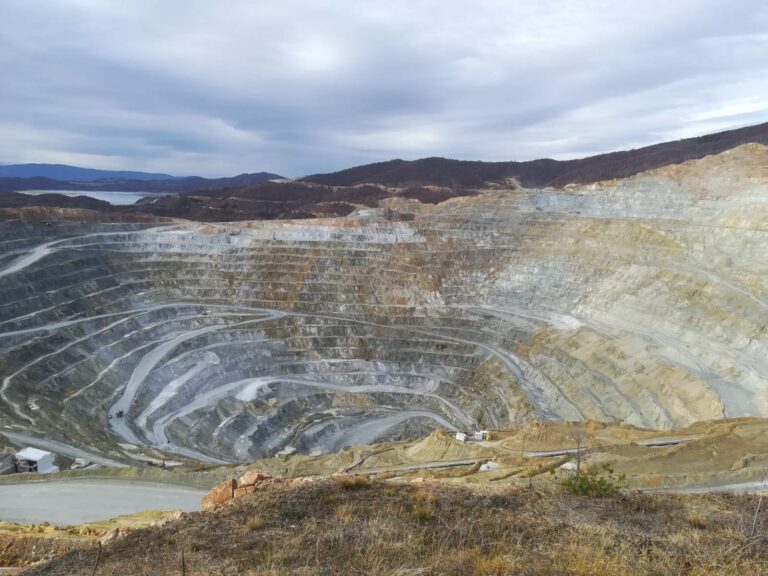
Naturally occurring mineralized materials extracted from mining operations and containing valuable metals or other components at concentrations suitable for processing. Ores may be oxide, sulfide, mixed or complex and can contain one or multiple valuable elements.
Upgraded mineral products generated by beneficiation and mineral processing operations, including flotation, gravity separation, magnetic separation and other concentration methods. Concentrates contain elevated concentrations of valuable minerals and may require further hydrometallurgical processing for metal extraction and purification.
Materials originating from mining operations, stockpiles and marginal or previously uneconomic resources. They may contain valuable components at relatively low grades or in complex mineralogical associations. Hydrometallurgical processing can provide opportunities for recovering value from resources that are difficult or uneconomic to treat by conventional methods.
Fine-grained residues generated by mining and mineral processing operations, including historical tailings stored in tailings facilities. Tailings may still contain significant amounts of metals due to incomplete liberation or recovery, as well as valuable components that were not targeted by the original processing operation.
Residues generated during smelting, refining and other high-temperature metallurgical processes. Depending on the process and feed material, slags can contain significant concentrations of residual or entrained metals and other valuable components.
Fine particulate materials captured from process gases in smelters, furnaces, roasting plants and other thermal processing operations. These materials can be enriched in volatile or fine metal-bearing phases and may represent a valuable secondary source of metals.
Fine-grained, often water-rich residues generated in metallurgical plants, hydrometallurgical circuits, wastewater treatment and industrial process systems. They may contain metals in precipitated, adsorbed or entrained forms, with composition varying according to the process of origin.
Solid residues generated by leaching, precipitation, solvent extraction and other hydrometallurgical operations. Depending on the process, these residues may retain valuable metals or contain secondary components that can be recovered through additional treatment.
Process wastes and by-products generated by metal-processing, manufacturing, chemical and other industrial operations that contain recoverable metals or other valuable components. Their composition and physical characteristics vary widely and often require tailored treatment approaches.
Mineral-rich residues generated during thermal treatment, combustion and industrial incineration processes. Certain ashes and combustion residues can contain recoverable metals concentrated from the original feed material.
Materials generated by industrial and metallurgical processes that have reached the end of their primary service life but may still contain valuable components, including metal-bearing process residues and spent mineral-based materials.
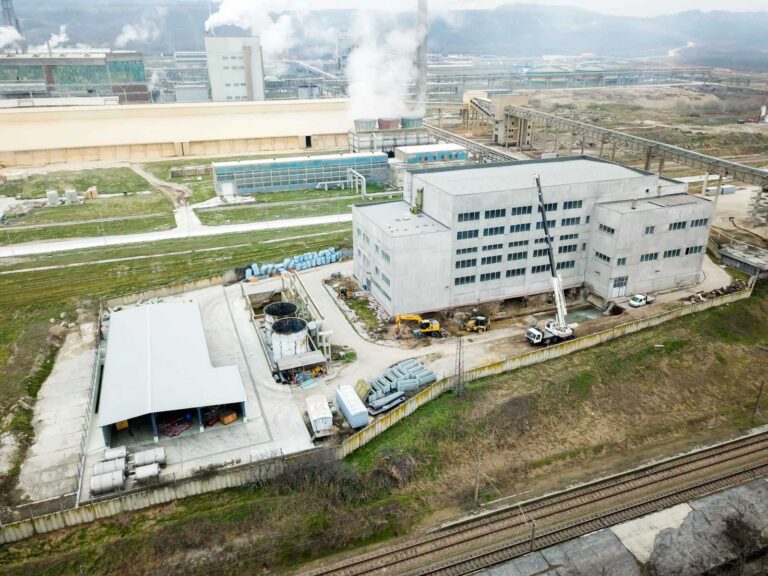
We unlock the value of metals held in secondary raw materials and industrial residues — flotation tailings, metallurgical wastes, slags, dusts, residues and anodic slimes — turning materials traditionally treated as waste into sources of critical and strategic metals.
Recovery of residual copper from copper flotation tailings and other copper-bearing flotation residues through tailored treatment schemes.
Selective leaching, separation and purification of residues, slags and dusts to produce metal products or intermediates.
Gold, silver and platinum group metals from anodic slimes and other precious-metal-bearing residues.
Our hydrometallurgical expertise combines proven technologies and tailored process solutions for the selective recovery, purification, and concentration of valuable metals from primary and secondary feedstocks. We develop integrated treatment routes designed to maximize metal recovery, improve product quality, and optimize process efficiency.
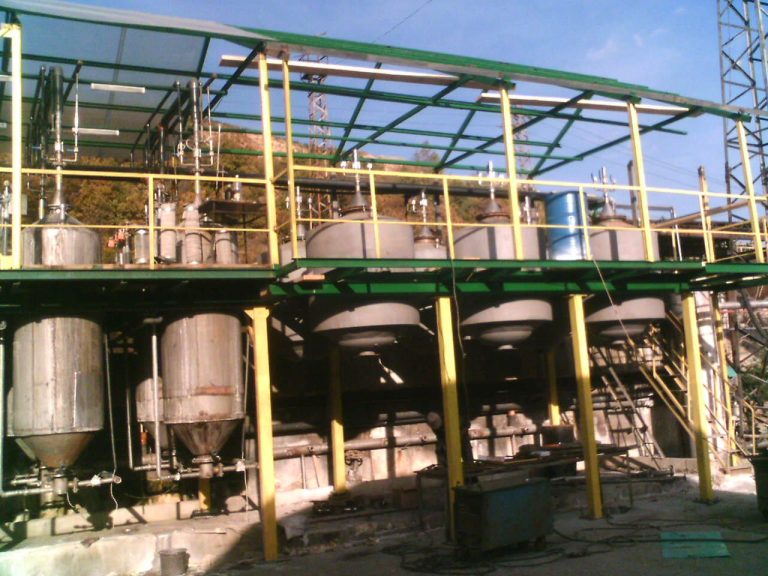
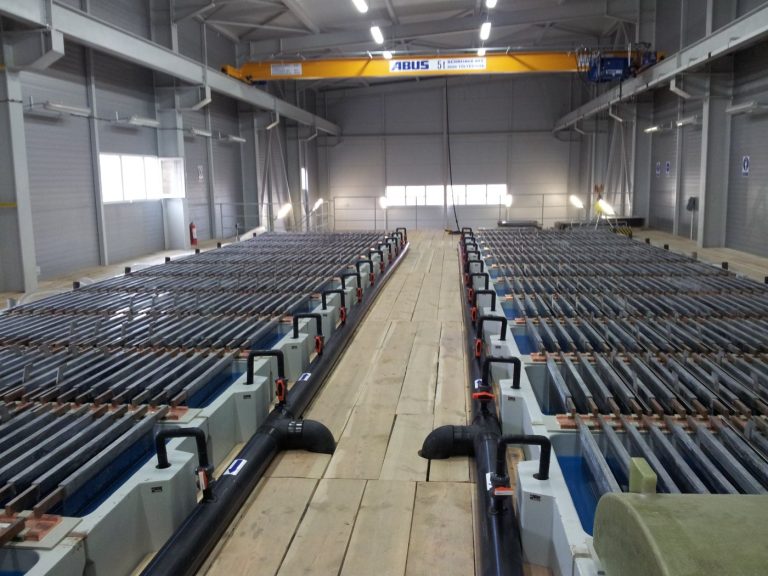
Controlled dissolution of valuable metals from ores, concentrates, tailings, metallurgical residues, and other secondary feedstocks. We apply a broad range of leaching methods, including heap, dump, vat, atmospheric agitation, and pressure leaching, selected and optimized according to the characteristics of the feedstock and the target metals.
Precipitation and cementation processes for the selective removal of impurities and recovery of valuable metals from process solutions.
Selective extraction, purification, and concentration of metal ions using ion exchange resins, particularly for complex and dilute process solutions.
Selective transfer of target metals from aqueous solutions into an organic phase, providing efficient purification and concentration. We develop and optimize SX circuits, including extraction, scrubbing, and stripping stages, for the production of high-purity metal-bearing solutions.
Electrochemical recovery of metals from purified and concentrated solutions, producing high-purity metal products such as cathodes.
By combining leaching, precipitation, cementation, ion exchange, solvent extraction, and electrowinning, we develop integrated hydrometallurgical flowsheets tailored to the characteristics of each feedstock and the required final product.
Our wastewater treatment expertise encompasses the development of integrated, fit-for-purpose solutions for industrial, mining, and process waters. We treat a wide range of challenging water streams, including acid mine drainage (AMD), landfill leachate, well and groundwater, industrial wastewater, and metallurgical process waters. By combining physical, chemical, biological, and advanced treatment technologies, we develop solutions for contaminant removal, water purification, resource recovery, and water reuse.
We assess the specific characteristics of each wastewater stream, including its composition, contaminant load, flow rate, and required discharge or reuse quality, to develop efficient and reliable treatment schemes. Our approach focuses not only on meeting regulatory requirements, but also on minimizing water consumption, reducing waste generation, and maximizing opportunities for water recovery and reuse.
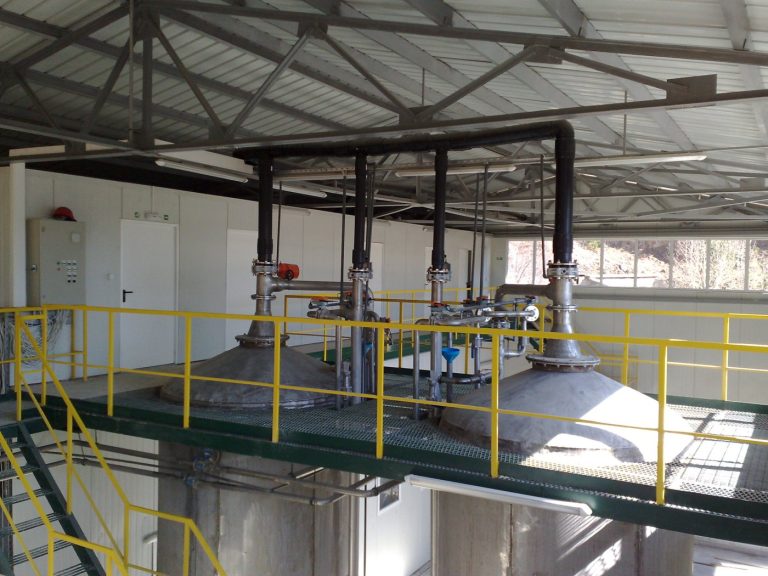
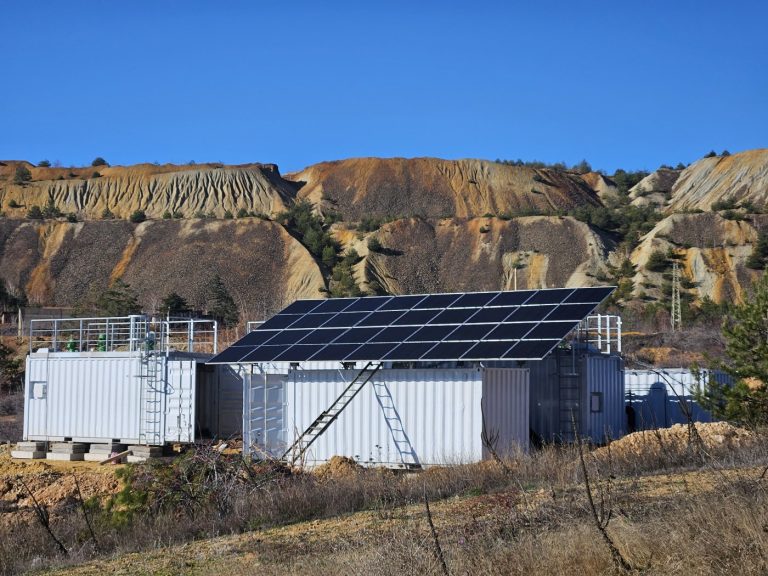
Screening, filtration, sedimentation, clarification, flotation, and membrane-based separation for the removal of suspended solids, particulates, oils, and other physical contaminants.
Neutralization, coagulation, flocculation, precipitation, oxidation, and other chemical processes for the removal of dissolved metals, hardness, phosphorus, and other inorganic and chemical contaminants. Our expertise includes conventional lime neutralization and High Density Sludge (HDS) technology, particularly for treating acid mine drainage and other acidic, metal-bearing waters. HDS treatment provides efficient contaminant removal, improved sludge settling, and reduced sludge volumes.
Aerobic and anaerobic processes for the removal of biodegradable organic matter, nutrients, and other contaminants through controlled biological activity.
Membrane processes, ion exchange, adsorption, advanced oxidation, and other specialized technologies for the removal of persistent, dissolved, or trace contaminants and the production of high-quality treated water.
Thickening, dewatering, stabilization, and conditioning of treatment sludge and other residuals to minimize disposal requirements and, where possible, facilitate resource recovery.
Our solutions combine conventional and advanced treatment technologies, selected according to the specific wastewater characteristics and treatment objectives. Our experience with High Density Sludge (HDS) processes for acid mine drainage and other metal-bearing waters enables efficient control of acidity and dissolved contaminants while optimizing reagent consumption, sludge production, and solid–liquid separation.
From acid mine drainage, landfill leachate, and well waters to complex industrial and metallurgical wastewaters, we develop reliable treatment solutions aimed at achieving the required water quality and, where feasible, enabling water reuse and resource recovery.